


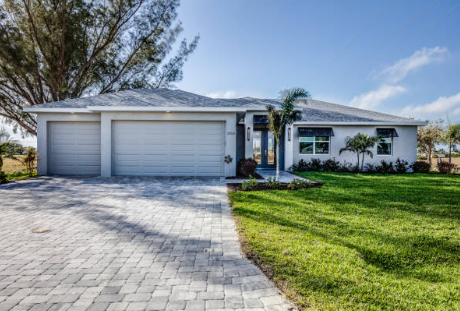
Can You Use 2-inch Pavers For a Driveway?
When it comes to driveway construction, homeowners often seek durable and visually appealing options. One popular choice is pavers, which come in various sizes and materials. Among these, 2-inch pavers have gained attention for their strength and aesthetic appeal. Many wonder if these pavers can support the weight of vehicles while standing up to the elements. The answer lies in understanding the right applications, installation methods, and the unique characteristics of 2-inch pavers.
Are 2-Inch Pavers Suitable for a Driveway?
No, because 2-inch pavers can be used for driveways, they are not the ideal choice. The primary reason is that they are relatively thin, which can make them more susceptible to cracking, chipping, or shifting under heavy vehicle traffic. This can lead to uneven surfaces and potentially damage to your vehicle’s tires or suspension.
For driveways, it’s generally recommended to use pavers that are at least 4 inches thick. These thicker pavers provide a more durable and stable base, ensuring that your driveway can withstand the weight and pressure of vehicles without compromising its integrity.
What Should You Consider When Installing 2-Inch Pavers for Your Driveway?
When installing 2-inch pavers for your driveway, there are several key factors to consider to ensure a successful and durable installation:
1. Material Selection
Choose high-quality pavers that can withstand the weight of vehicles. Options include concrete, clay, and natural stone, each with different aesthetics and durability.
2. Base Preparation
- Excavation: Remove existing materials and excavate to a depth that accommodates the base layer and pavers. Typically, this is 6 to 12 inches, depending on soil conditions.
- Base Material: Use crushed stone or gravel for the base. It should be compacted well to create a stable foundation.
3. Drainage
Proper drainage is crucial to prevent water pooling and paver displacement. Ensure the driveway has a slight slope (1-2%) away from structures and consider adding drainage systems if necessary.
4. Installation Technique
- Sand Layer: Spread a layer of coarse sand (about 1 inch) over the compacted base to help with leveling the pavers.
- Laying Pavers: Lay pavers in your desired pattern, ensuring they are close together but not touching. Use a rubber mallet to gently tap them into place.
5. Joint Sand
After laying the pavers, fill the joints with polymeric sand or regular sand. Sweep it into the gaps and compact the pavers to ensure stability.
6. Compaction
Use a plate compactor to settle the pavers into the base. This step helps eliminate any air gaps and increases the overall strength of the driveway.
7. Edge Restraints
Install edge restraints to prevent the pavers from shifting. These can be made from plastic, metal, or concrete and should be anchored securely.
8. Maintenance Considerations
Plan for regular maintenance, including sealing the pavers (if necessary), cleaning, and checking for weeds in the joints.
9. Local Regulations and Permits
Check with local authorities for any regulations or permits required for driveway installation, especially if it involves significant excavation or changes to drainage.
10. Weather Conditions
Consider the weather during installation. Extreme heat or rain can affect the setting and curing processes, so choose a suitable time to install.
Why Are Thicker Pavers Necessary for Driveways?
When it comes to driveways, they’re not just about aesthetics; they’re also about functionality. One crucial factor in driveway design is the thickness of the pavers used. Why is this so important? Imagine your driveway as a bridge supporting heavy vehicles. Just as a bridge needs a strong foundation, your driveway needs pavers that can withstand the constant weight and pressure of cars, trucks, and other vehicles. Thicker pavers provide a more robust base, ensuring that your driveway remains intact and doesn’t sink or crack over time.
Think of it like building a house. You wouldn’t use thin, flimsy boards for the foundation; you’d opt for sturdy beams to support the entire structure. Similarly, thicker pavers act as the foundation for your driveway, providing the necessary strength and durability to handle the daily wear and tear. So, the next time you’re considering paving your driveway, remember that the thickness of the pavers is not just a cosmetic choice; it’s a practical decision that will impact the longevity and performance of your driveway.
What Are the Alternatives to 2 Inch Pavers?
When it comes to outdoor projects, 2-inch pavers are a popular choice for driveways, patios, and walkways due to their durability and aesthetic appeal. However, if you’re considering alternatives for your next landscape design, there are plenty of options to explore that can provide the same functionality and style. Here are some alternatives to consider:
1. 1-Inch Pavers
If you’re looking for a thinner option that still offers a solid surface, 1-inch pavers are a great alternative. They’re lighter, easier to handle, and can be used for various applications, including patios and pathways. They provide a sleek, modern look while maintaining a robust structure. Just ensure that they are installed properly to prevent shifting over time.
2. Concrete Slabs
Concrete slabs are another fantastic option. These large, flat surfaces can be poured in various shapes and sizes, making them incredibly versatile. They offer a seamless look that can be customized with stamps or stains for added visual interest. Plus, concrete is known for its durability and low maintenance, making it an excellent long-term investment.
3. Brick Pavers
For a more traditional feel, consider brick pavers. These classic red or brown blocks add charm and warmth to any outdoor space. They come in various sizes and can be arranged in different patterns, allowing for creativity in design. Their natural color variations also help hide stains, making them a practical choice for high-traffic areas.
4. Gravel
Gravel is a cost-effective and environmentally friendly alternative. It’s perfect for driveways and paths, offering excellent drainage while requiring minimal maintenance. With a variety of colors and sizes, gravel can also add texture and visual appeal to your landscape. To keep the gravel in place, consider using edging materials or a grid system.
5. Natural Stone
If you’re aiming for a more rustic or luxurious look, natural stone is an outstanding option. Available in various shapes, sizes, and colors, natural stone can elevate your outdoor space with its unique textures and natural beauty. Though it can be more expensive than pavers, its longevity and stunning appearance often make it worth the investment.
6. Porcelain Pavers
For a modern twist, porcelain pavers offer a sleek, contemporary look with exceptional durability. Resistant to stains, scratches, and UV rays, they are perfect for patios, walkways, and pool areas. Available in a wide range of styles and colors, porcelain pavers can mimic the appearance of wood or stone, providing the aesthetic you desire without the drawbacks.
7. Rubber Pavers
If safety and comfort are your priorities, consider rubber pavers. These eco-friendly options are made from recycled materials and are perfect for areas where slips and falls might be a concern, such as around playgrounds or pool decks. They provide cushioning underfoot and are available in various colors, making them both practical and attractive.
When choosing the right pavers for your outdoor space, consider factors such as your budget, style preferences, and the intended use of the pavers.
Looking to enhance your driveway with 2-inch pavers?
Transform your driveway with stylish and durable 2-inch pavers that not only enhance your curb appeal but also stand the test of time. Contact us today to discover how we can help you create a stunning driveway that complements your home and fits your lifestyle!