


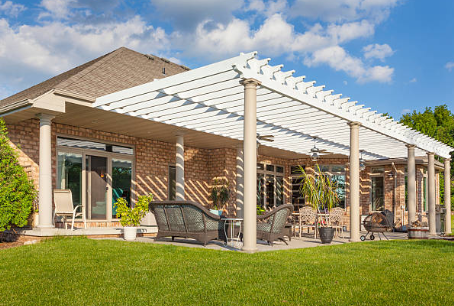
How Close to the Property Line Can I Put a Pergola?
When considering adding a pergola to your outdoor space, one crucial aspect to address is its placement in relation to your property line. Many homeowners dream of enhancing their yards with stylish structures that provide shade, aesthetic appeal, and a cozy gathering spot for family and friends. However, understanding the regulations and guidelines regarding how close a pergola can be to the property line is essential to avoid potential disputes with neighbors and ensure compliance with local zoning laws.
Local ordinances and homeowners’ association (HOA) rules can vary significantly, impacting how far a pergola must be set back from property lines. Generally, most jurisdictions require that any permanent structure, including pergolas, be placed a certain distance away from the edge of your property—often ranging from 3 to 10 feet. It’s always a good idea to check with your local zoning office or HOA before beginning your project. By familiarizing yourself with these guidelines and considering your neighbors’ perspectives, you can ensure a smooth installation process and enjoy your new pergola without any unexpected complications.
What Are the Local Zoning Laws for Pergolas?
When considering the installation of a pergola in your backyard, it’s essential to understand local zoning laws. These regulations can vary significantly based on your location, affecting everything from design specifications to permit requirements. Here’s a comprehensive guide to navigating zoning laws for pergolas.
1. Check Local Ordinances
Before you begin your pergola project, start by checking your city or county’s zoning ordinances. Most municipalities have a zoning office or a planning department where you can obtain this information. Common aspects regulated by local ordinances include:
- Height Restrictions: Many areas impose height limits on structures like pergolas to maintain the neighborhood’s aesthetic.
- Setback Requirements: Zoning laws often require that structures be a certain distance from property lines. This ensures that pergolas do not infringe on neighboring properties’ views or sunlight.
- Lot Coverage Limits: Some jurisdictions restrict the total amount of impervious surfaces (like buildings and patios) on a lot, which can impact where you place your pergola.
2. Building Permits
In many cases, constructing a pergola may require a building permit, especially if it exceeds a certain size. This requirement can vary widely based on local laws, so it’s crucial to check with your local building department. They can guide you through the application process and inform you about any necessary inspections.
3. Homeowners Association (HOA) Regulations
If you live in a community governed by a homeowners association, additional rules may apply. HOAs often have their own set of guidelines for outdoor structures, including pergolas. Before proceeding, review your HOA’s covenants and guidelines to ensure compliance.
4. Design Considerations
Zoning laws may also dictate specific design features for your pergola. Some communities may have aesthetic requirements that dictate the materials and colors used, ensuring that your pergola complements the overall character of the neighborhood.
5. Consulting Professionals
If you’re unsure about the zoning laws in your area, consider consulting with a local contractor or landscape architect. They can provide valuable insights and help ensure that your project complies with all regulations.
6. Finalizing Your Project
Once you’ve researched and complied with local zoning laws, you can move forward with your pergola project. Ensure that you keep all documentation regarding permits and approvals, as you may need these records in the future.
Can You Build a Pergola Near a Fence?
Yes, you can build a pergola near a fence. When planning your pergola’s location, consider the distance from the fence to ensure it complements your outdoor space without violating any local building codes or regulations. A pergola placed near a fence can enhance your backyard’s aesthetics and provide a cozy area for relaxation and entertaining. It’s essential to check with your local zoning laws and homeowner’s association guidelines, as there may be specific requirements regarding the distance from property lines. Incorporating the pergola’s design with the fence can create a seamless look, making your outdoor area feel more inviting and connected.
What Factors Should You Consider When Choosing the Location for Your Pergola?
Choosing the perfect location for your pergola can transform your outdoor space into a sanctuary, but how do you decide where it should go? Imagine this: It’s a warm summer afternoon, and you’re sitting under your pergola, sipping iced tea, enjoying the cool shade while still feeling connected to the outdoors. But that perfect moment wouldn’t be possible if the pergola were in the wrong spot.
To make sure you get it right, here are key factors to consider:
1. Sunlight & Shade
The primary purpose of a pergola is to provide shade while letting some sunlight through. Take note of how the sun moves across your yard throughout the day. If your pergola is too exposed, it might become unbearably hot during peak sunlight hours. Conversely, too much shade might make it feel gloomy. Consider orienting it to the east or west for the best balance.
2. Purpose
How do you plan to use the pergola? Will it serve as an outdoor dining area, a quiet retreat, or a centerpiece for entertaining guests? If you’re dreaming of outdoor dinners under twinkling lights, placing the pergola near your kitchen might make sense. But if it’s for relaxation, a spot farther away from the hustle of the house could offer more peace and privacy.
3. Wind & Weather Protection
Weather plays a big role in choosing the right location. Pergolas can offer some protection from light rain, but they aren’t fully enclosed. If you live in an area prone to strong winds, avoid positioning the structure in an exposed spot. Instead, tuck it near existing buildings or trees for natural windbreaks.
4. View & Ambiance
What do you want to see while relaxing under your pergola? Position it to maximize views of your garden, pool, or landscaping. Avoid areas where you’ll be staring at your driveway or trash bins. Creating an inviting atmosphere with nature in sight can make your pergola the go-to relaxation spot.
5. Proximity to Utilities
If you plan to add features like lighting, ceiling fans, or a sound system, consider the availability of electrical outlets. If you’re looking at adding an outdoor kitchen or bar, water and gas lines are also something to think about.
6. Space & Size
Finally, the physical space matters. Your pergola should complement your yard without overpowering it. Make sure there’s enough room around it for people to move comfortably, especially if you plan to host guests frequently.
How Close Can a Pergola Be to a Fence?
When planning your outdoor space, the distance between your pergola and fence is a crucial factor to consider. This proximity can impact both functionality and aesthetics. Here’s a breakdown of the ideal distance:
Ideal Distance: Generally, a distance of at least 6 feet between a pergola and fence is recommended. This space allows for unobstructed movement and prevents the pergola from casting excessive shade onto the fence, which can lead to mold and mildew growth.
Exceptions:
- Smaller Spaces: If you have limited yard space, a smaller distance might be acceptable. However, ensure there’s enough room for comfortable use of both the pergola and the area near the fence.
- Privacy Concerns: If privacy is a priority, a closer proximity can create a more enclosed feel. Consider using lattice panels or climbing plants to enhance privacy while maintaining some distance.
Looking to transform your outdoor area with a beautiful pergola?
Call us today to schedule a free consultation! Our team will guide you through the design process, ensuring your new pergola meets all local regulations while enhancing your backyard’s beauty and functionality. Don’t wait—let’s create the perfect outdoor oasis together!